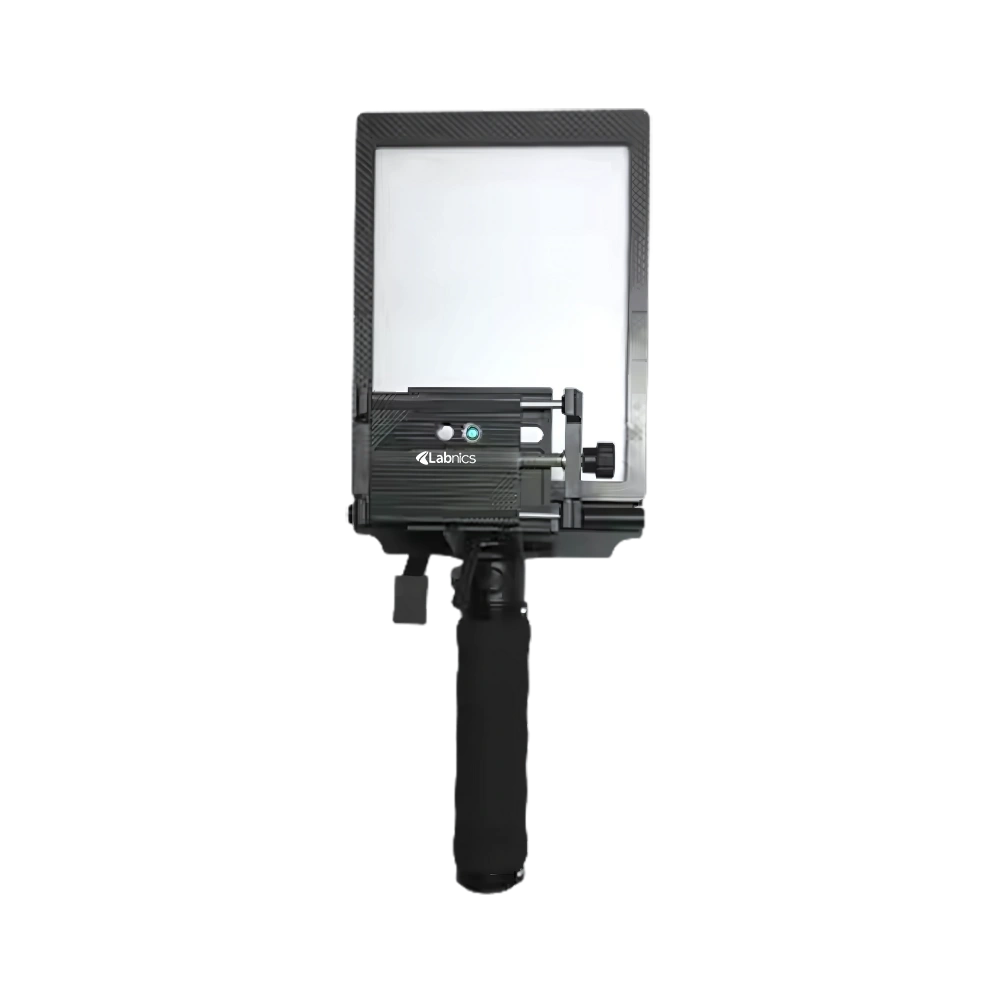
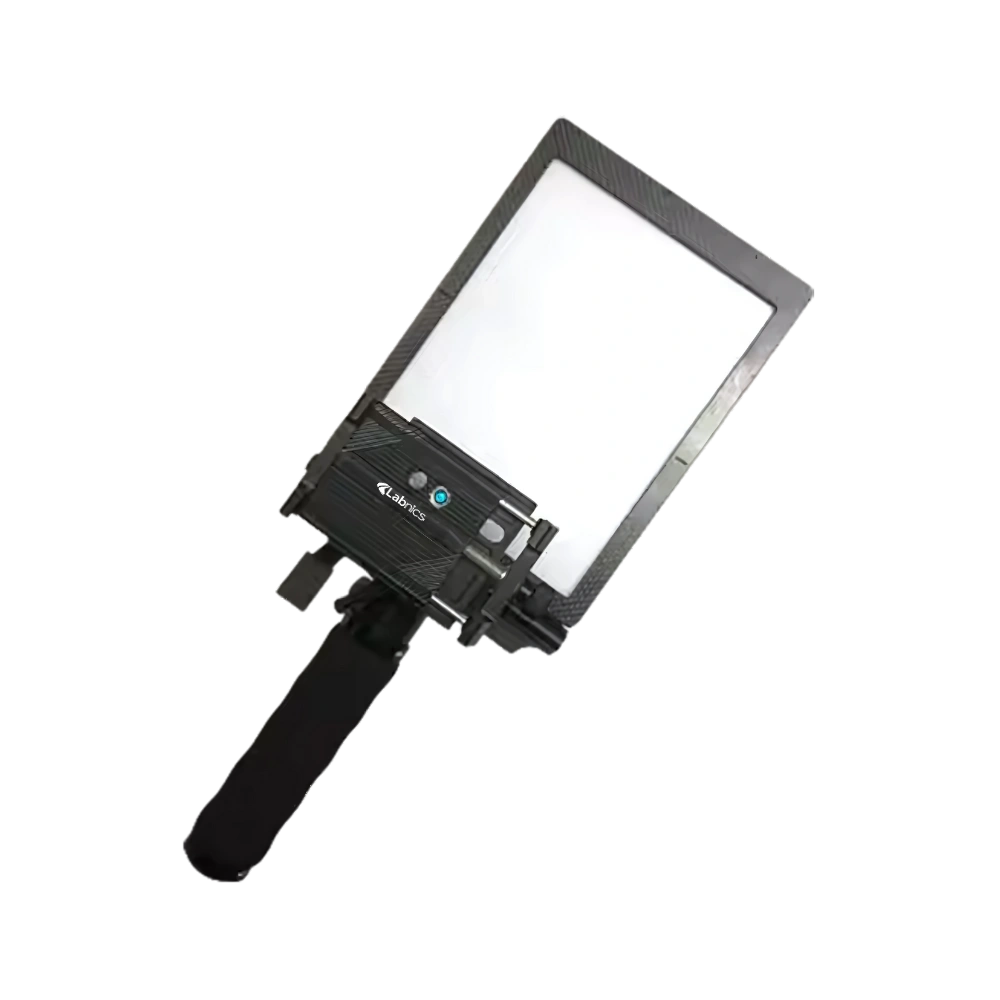
Leaf Area Meter NLAM-300 measures leaf areas up to 1,000,000 mm², ensuring accurate measurement. It supports a scan length of 0 to 110 mm, providing precise analysis of various leaf shapes. This meter calculates multiple morphological parameters for comprehensive measurement results. It delivers precise, reliable performance with a compact design. Our unit offers fast, non-destructive leaf analysis with consistent accuracy.
$3,550.00
Specifications
| Blade scan length | 0 to 110 mm |
| Blade scan width | 0 to 150 mm |
| Measuring area | 0 to 1000000mm2 |
| Measurement accuracy | ±2% |
| Aspect ratio | 0.00 to 10.00 |
| Form factor | 0.00 to 1.00 |
| Shape factor | 0.00 to 1.00 |
Features
Applications
Ask Expert
FAQ for Leaf Area Meter NLAM-300
1: Can the Leaf Area Meter NLAM-300 handle different leaf shapes and sizes?
Yes, the Leaf Area Meter NLAM-300 supports a wide range of leaf types with a scan length of 0 to110 mm and width up to 150 mm. It can accurately measure leaf areas up to 1,000,000 mm², accommodating various plant species and morphologies.
2: Is the measurement process destructive to the leaf sample?
No, the Leaf Area Meter NLAM-300 offers a non-destructive method for leaf analysis. This allows users to preserve the leaf sample for further observation or testing.
3: What parameters besides leaf area does this device calculate?
In addition to leaf area, the NLAM-300 calculates aspect ratio, form factor, and shape factor.
4: What should I do if the device displays inconsistent readings?
Ensure the leaf is placed flat and fully within the scan frame. Check for dirt or obstructions on the scanning surface.
5: Are there any safety precautions to consider when using the NLAM-300?
Although the device poses minimal risk, always handle it with dry hands, avoid moisture exposure, and keep the scanning surface clean to ensure reliable measurements.
6: Can the Leaf Area Meter NLAM-300 be used in field conditions?
Yes, it features a compact, portable design ideal for both laboratory and field use. Its durable construction and ease of operation make it practical for on-site plant studies.